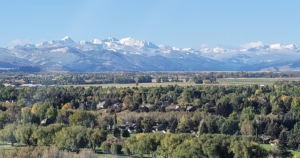
Winter in the Billings area can bring a quiet week followed by a storm that drops several inches overnight, then a thaw and a hard freeze. For an HOA board, that pattern raises practical questions: who clears which areas, when plowing starts, where the snow goes, and what happens when ice builds up on a shared walkway. A little planning in the fall makes those questions easier to answer when the first storm arrives.
This article is general information for volunteer board members. Your governing documents, your vendor contracts, and applicable law determine who is responsible for what. It is not legal or insurance advice. For questions about your association’s specific obligations or liability, check with your attorney and your insurance agent.
Start with who is responsible for what
Snow questions often come down to responsibility, and the answer can differ from one community to the next. Before winter, it helps to confirm in your governing documents and plat maps:
- Which roads, drives, and parking areas are association common areas and which are public streets maintained by the city or another public agency
- Whether the association or individual owners clear driveways, private walks, and steps
- Who handles mailbox clusters, fire hydrants, and shared sidewalks along the perimeter
- Any rules on where owners may pile snow or park during a storm
If the documents are silent or unclear on a point, note it for the board to discuss. Where responsibility for a specific area is uncertain, check with your attorney rather than assuming.
Review the snow removal contract before the season
Many associations rely on a contractor for plowing and walkway clearing. Reading the agreement each fall helps the board and the contractor share the same expectations. Common items to look for include:
- The trigger. At what snow depth does service start, and does the contractor return during a long storm or only after it ends?
- The scope. Which roads, lots, walkways, and steps are included, and which are excluded?
- Ice control. Whether sanding or de-icing is part of the service, how it is requested, and what material is used near landscaping or concrete.
- Billing structure. Whether the agreement is seasonal, per visit, or per event, and how unusually heavy winters are handled.
- Insurance and records. Whether the contractor carries insurance that meets the association’s requirements and keeps service logs showing when each area was cleared.
Service logs can be useful later if an owner asks when a walkway was last treated. Your insurance agent can tell you what certificates of insurance the association should keep on file.
Prepare the property before the first storm
A short fall review of the property with the contractor can prevent problems that are hard to fix once snow covers the ground. Boards often mark curbs, hydrants, irrigation heads, and landscape edges with stakes so plows can find them. This is also a good time to note where snow has piled up in past winters, where meltwater tends to refreeze, and whether downspouts drain across walkways.
Freeze-thaw cycles in the Billings area can be hard on pavement and concrete. Noting cracks and low spots in the fall helps the board plan spring repairs and connect them to the reserve plan. For a plain overview of reserves, see HOA Operating Budgets and Reserve Funds: The Basics.
Plan for snow storage and drainage
Snow has to go somewhere, and where it goes affects the property long after it melts. Large piles can block sight lines at intersections, cover parking, or send meltwater toward buildings and onto walkways where it can refreeze. Agreeing on storage areas with the contractor ahead of time, away from drains, landscaping, and building foundations where possible, gives everyone a clear plan.
Communicate with owners before and during winter
Owners are more patient when they know what to expect. A short fall notice can explain what the association clears, what owners are responsible for, any parking rules during storms, and how to report a missed area or an icy spot. Owners who are away for part of the winter appreciate getting this by email as well as by mail.
During the season, a simple way for owners to report concerns, and a record of how each report was handled, helps the board follow up consistently. For more on keeping owners informed, see Preparing for an HOA Annual Meeting.
After the season: review and budget
Once spring arrives, the board can compare actual winter costs to the budget, review any contractor issues, and note repairs needed from plow damage or freeze-thaw wear. Those notes make next year’s budget and contract review easier. For more on preventive care, see Proactive Maintenance in HOA Communities.
How Ironhorse helps boards with winter planning
Ironhorse is based in Bozeman and supports HOA boards throughout Montana. We support boards with vendor coordination, owner communication, and maintenance tracking for the budget and reserve plan. We welcome conversations with boards in the Billings area. Learn more on our HOA management in Billings page.
If your board is considering outside help, What Billings HOA Boards Often Ask Before Hiring a Manager covers common questions, and What an HOA Management Transition Looks Like in Billings describes the first few months with a new manager.
Next step for a Billings-area board
If your board would like help planning for winter, email hoa@ironhorsemgmt.com or request a proposal online.
Related reading
- HOA Management in Billings, MT
- HOA Operating Budgets and Reserve Funds: The Basics
- What Billings HOA Boards Often Ask Before Hiring a Manager
- What an HOA Management Transition Looks Like in Billings: The First 90 Days
- What to Expect from an HOA Manager
General information only. Not legal, tax, insurance, or financial advice. Your governing documents and applicable law control.